Colombia, officially the Republic of Colombia, is a sovereign country located in the northwestern region of South America. It is constituted in a unitary, social and democratic State of law whose form of government is presidential. It is a republic politically organized in thirty-two decentralized departments and the Capital District of Bogotá, seat of the National Government.
Including Malpelo Island, Cayo Roncador and Serrana Bank, the country covers an area of 1,141,748 km, making it the twenty-fifth largest country in the world and the seventh largest in the Americas. It claims as territorial sea the area up to 12 nautical miles away,4 maintaining a border dispute in this regard with Venezuela and Nicaragua.1415 It limits to the east with Venezuela and Brazil, to the south with Peru and Ecuador and to the west with Panama. ; In terms of maritime limits, it borders Panama, Costa Rica, Nicaragua, Honduras, Jamaica, Haiti, the Dominican Republic and Venezuela in the Caribbean Sea, and with Panama, Costa Rica and Ecuador in the Pacific Ocean.
It has coasts in the Pacific Ocean and access to the Atlantic through the Caribbean Sea, in which it has various islands such as the archipelago of San Andrés, Providencia and Santa Catalina.
It is the twenty-eighth most populous country in the world, with a population of 51 million inhabitants,519 it is also the second nation with the most Spanish-speakers, only behind Mexico. It has a multicultural population, which reflects the influence of the large-scale European colonization, native peoples, and African labor, with migratory waves from Europe and the Middle East during the 20th century.Colombia's purchasing power parity gross domestic product ranks fourth in Latin America and the 28th place worldwide. Colombian nominal GDP is the fourth largest in Latin America and ranks 28th worldwide.
Colombian culture
The culture of Colombia is the result of the mixture of Europeans or whites, especially those who came from Spain, the native indigenous peoples and the Africans brought by the whites. Many aspects of Colombian culture originate in the 16th century with the arrival of the Spanish and their interaction with native civilizations, such as the Muiscas in the center and the Taironas in the north. Upon arrival, the Spanish expanded Catholicism, the encomienda system, and a caste system headed by European-born whites and their descendants.
National Capitol of Colombia initial design by Thomas Reed with the subsequent intervention of various architects.
The mixture of the different racial groups of the country had formed new ethnic groups, generally known as mestizo, mulatto, moreno and zambo. The union of these cultures can also be evidenced in some of the carnivals that are celebrated in the country, such as the Carnival of Blacks and Whites. Although there is still a white and mestizo numerical superiority in most of the country's regions, the introduction of human rights and the abolition of slavery in 1851 reduced tensions between the different ethnic groups that are part of Colombia. Colombia did not stand out for being a country of immigration and most of its customs and traditions come from the same Hispanic ethnocultural miscegenation.
language
Being a multicultural country, the way of using the Spanish language varies in each of the geographical regions of the country. The main dialects in which Colombian Spanish is usually classified are:
Lowland:
Coastal Spanish, Chocoan Spanish (Equatorial).plains spanish, From highlands:
Bogota Spanish (rolo or cachaco),paisa spanish, Spanish Valle del Cauca, Cundiboyacense Spanish
Santanderean Spanish, Andean Spanish (or Pastuso), Tolimense-Huilense Spanish (opita),Amazonian Spanish . In Colombia, you can also find more than 60 aboriginal languages, from the Amazonian languages in the south of the country, to the Arawak languages in the north. On the islands of San Andrés and Providencia, English is also considered an official language; Arabic is also official in the municipality of Maicao, and it is widely spoken in cities such as Barranquilla, Cartagena, San Andrés, it enjoys a certain level of breadth in cities such as Magangué, Montería, Sincelejo and to a lesser extent in the other towns of the country. Colombian Caribbean, especially the banks of the Magdalena, Sinú, San Jorge and Cauca rivers.
Craft
Mochila arhuaca, una de las artesanías más representativas de Colombia.
Arhuaca backpack, one of the most representative handicrafts of Colombia.
In Colombia, the handicrafts produced by ethnic groups stand out, both by locals and tourists. The Guajiro people make hand-woven backpacks, belts and nets.
Architecture
Colombian architecture has influences from Spanish art, which were manifested mainly during the time of Spanish colonization between the sixteenth and seventeenth centuries. Colombian architecture is divided into the periods of indigenous, colonial (religious and military) architecture of the nineteenth century, republican (1880-1930), transitional (1930-1960), modernist (1970-2015) and current (2015-2020). .
the best typical Colombian dishes.
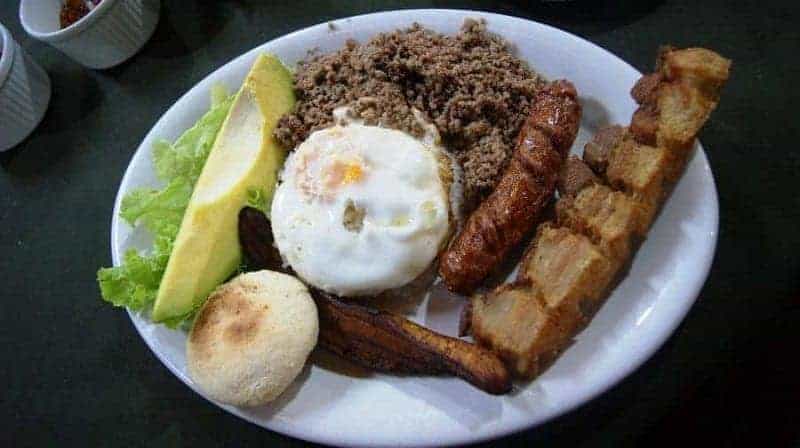
Tray paisa
Paisa tray is a traditional food from the Paisa region of Colombia, which includes the cities of Medellín, Santa Fe de Antioquia, Guatape and Jardín. In fact, it is so loved that it has been adopted as the national dish of Colombia. This hearty meal usually contains white rice, red beans, ground or minced meat, plantain, chorizo, corn, pork rinds, fried egg, arepa, and an avocado. Ingredients can vary from city to city and restaurant to restaurant, adding or subtracting certain ingredients. Portion size can also range from the full meal to half or a quarter of the traditional plate size.
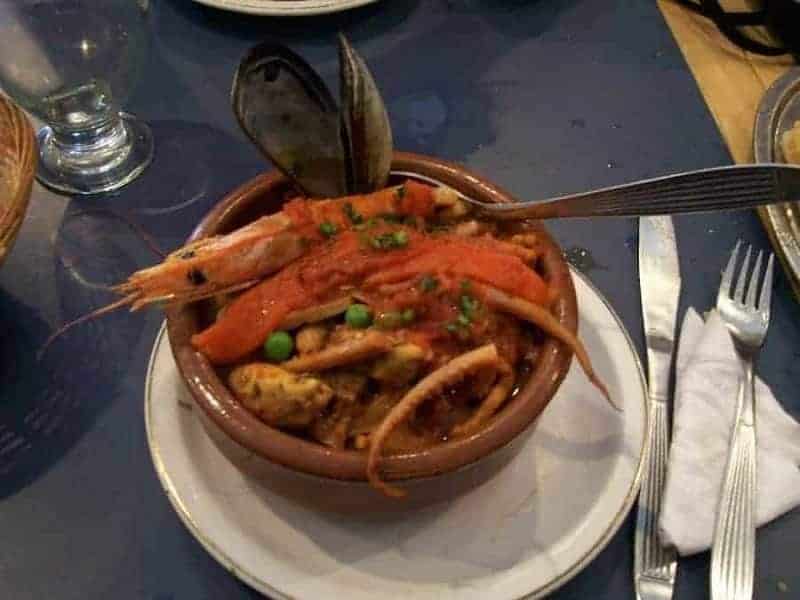
Seafood casserole
Seafood Cazuela is a seafood stew typically enjoyed in the Caribbean regions of Colombia. It is a coconut milk-based stew that contains vegetables, spices, shrimp, lobster, prawns, oysters, squid and other varieties of fish.
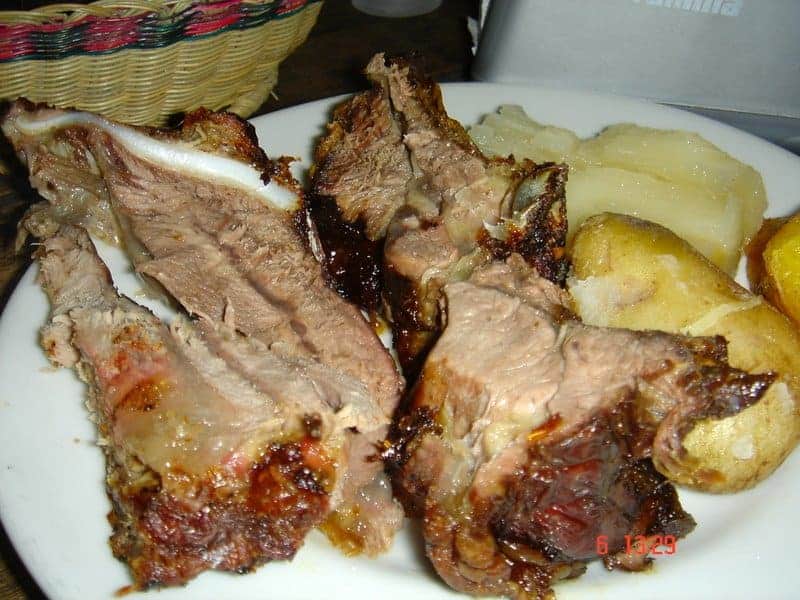
Llanera meat
It is a dish traditionally from the Los Llanos and Meta regions of Colombia. It contains beef (often cooked over a barbecue or fire) served with potatoes, plantain, yucca and topped with chili pepper. Eating this dish is best as a dinner guest.
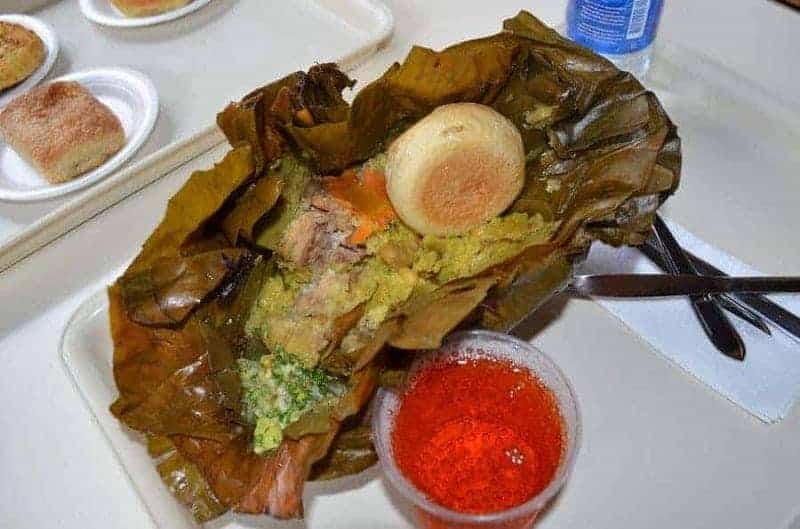
Tamales
Tamales can be found throughout Central and South America, served in a variety of ways and with a variety of ingredients. Colombians traditionally eat tamales with meat, vegetables, fruit, or cheese, and this corn-based delicacy is served and cooked wrapped in a banana leaf. Tamales can be found throughout Colombia in supermarkets or restaurants.
Arepas
arepas are the most common traditional dish in Colombia and are served as a side dish or as a meal in itself. Arepas are served throughout Central and South America, but Colombia has its own original type of arepa.
Arepas come in several varieties, including arepas de choco (made with sweet corn and stuffed with cheese), arepas con queso (stuffed with cheese), and arepas de Huevo (a fried arepa with an egg cracked inside and then refried). Each region of Colombia has its own traditional way of eating and making arepas.
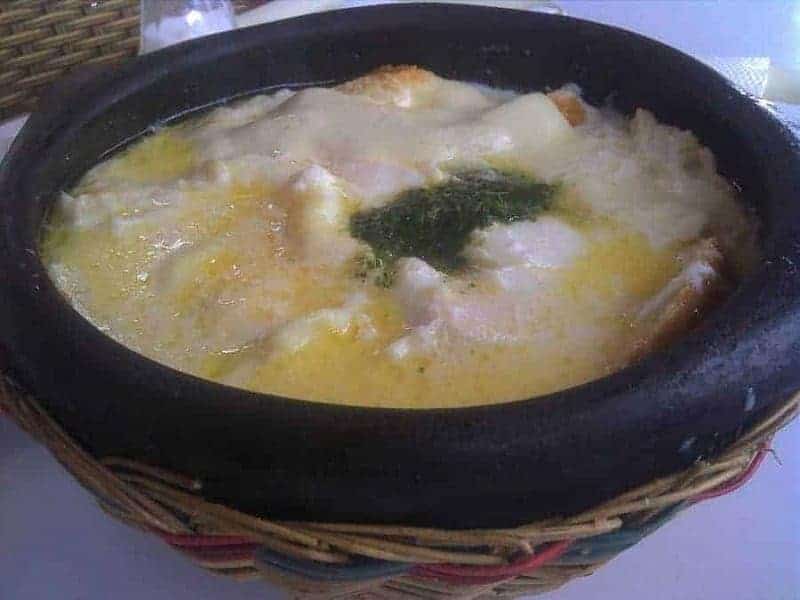
Changua
This breakfast soup is originally from the Andes region and in this cooler and mountainous area this soup provides an idea to start the day. The milk-based soup is made with water, milk, egg, onions, and coriander and is often served with bread and hot chocolate.
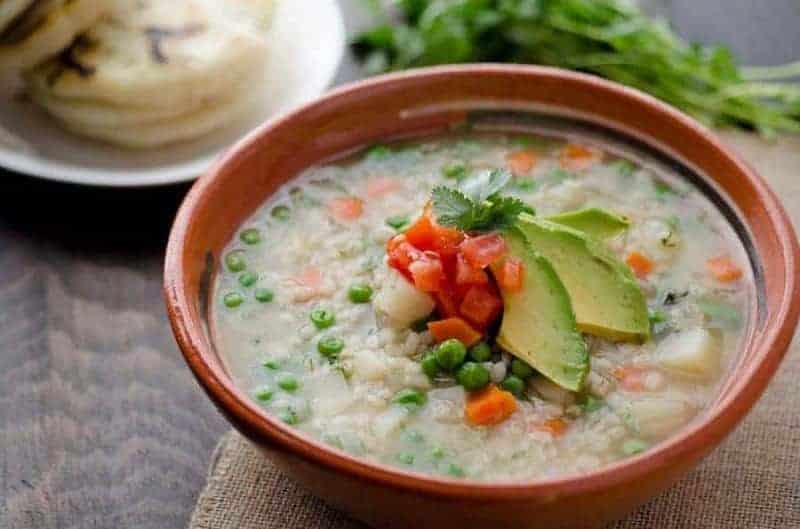
Cuchuco
Cuchuco is a stuffing soup native to the Boyacá region of Colombia, believed to have originated from the indigenous communities that once inhabited the region. This soup contains corn, barley, mashed beans, peas, carrots, potatoes, cilantro, and garlic.
MUSIC
Colombia is known as "The country of a thousand rhythms" although in reality it has 1,025 folk rhythms. Some of the main rhythms are:
Aguabajo: Dance and song from the Baudó region, in Chocó. Own song of the bogas. The dance is a kind of intertwined game between men and women.
Alabao: Dialogue funeral song, it is also used as praise to the patron saints.
Bambuco: The most popular musical air of the Andean region of Colombia, as well as the most representative national rhythm. Example: El Trapiche (Emilio Murillo), Cantan las Mirlas (Anonymous), Antioqueñita (Pedro León Franco), etc.
Bullerengue: Variant rhythm of Cumbia, with agitated gestures, in which women keep the beat with the palms of their hands. It differs from cumbia because of the choreography.
Cumbia: The most representative foicloric air of the Atlantic Coast and of African origin, a rhythm of great expressive richness, the women dance it with candles in their hands. It has variations according to the region. It is danced in Mompós, El Banco, Ciénaga, San Jacinto, Soledad, Sincelejo and Sampués. Example: Cumbia Cienaguera (Luis E. Martínez), El Alegre Pescador (José Barros P.), La Piragua (José Barros), Black Christmas (José Barros), etc.
Dance: Andean folklore dance. The dance is related as a transformation of the European contradanza and the Cuban habanera. Example: Bold (Luis Dueñas Perilla), etc.
Joropo: The Colombian-Venezuelan plainsman calls Joropo the meetings or parties where they sing, dance and play the harp, the cuatro, the maracas or typical instruments of the region. In the Joropo couples dance tapping and holding each other. The songs are messages that express the values of the llanera race. Example: At your hours, Ay Si Si (Luis Ariel Rey), Carmentea (Miguel A. Martín), etc.
Mapalé: Dance of African origin that is danced on the Atlantic Coast and on the banks of the Magdalena River, with a fast rhythm, with constant clapping by the participants and with a marked lewd tendency.
Merengue: Popularly in the Department of Magdalena, it is played with accordion, drum, maracas, and guacharaca.
Vallenato: Musical air originating from Valledupar. The vallenato brings together the paseo, the merengue, the son and the puya. The narrative nature of love songs or descriptions of people is important. His interpretation with accordion (imported instrument), box and guacharaca, (indigenous instruments).
Best Tourist Places in Colombia
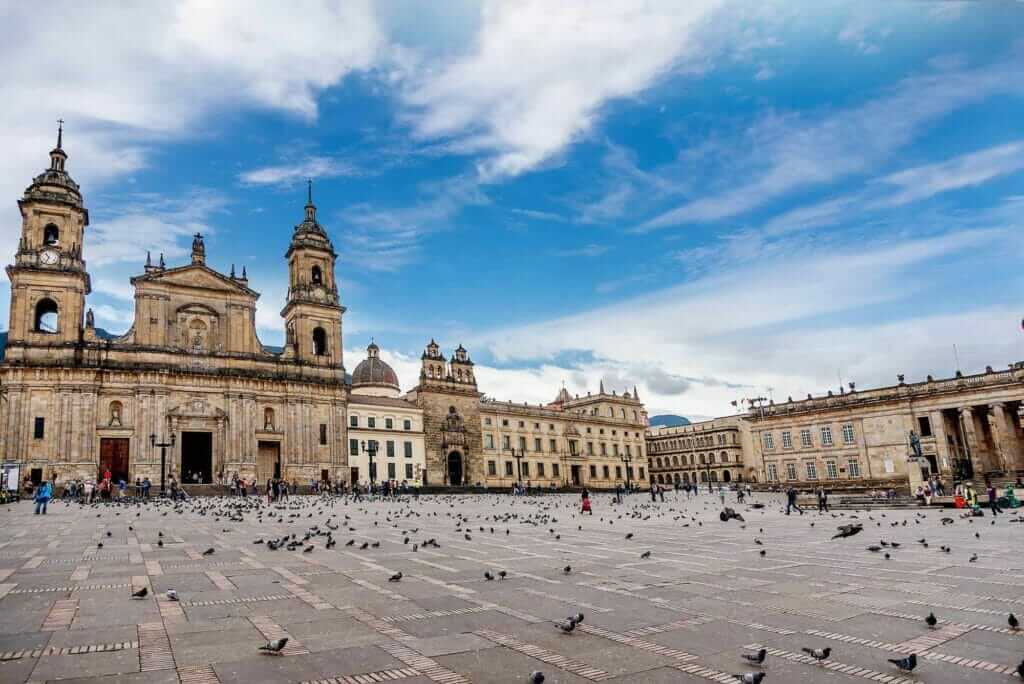
Bogota. Columbia Center:
Prosperous capital of Colombia, distinguished in 2018 with the Travelers' Choice award, in the category of the 25 best destinations in South America, captivating with its mixture of modernity and history, where avant-garde design proposals intersect with the magical colonial architecture of the neighborhood The Candlemas
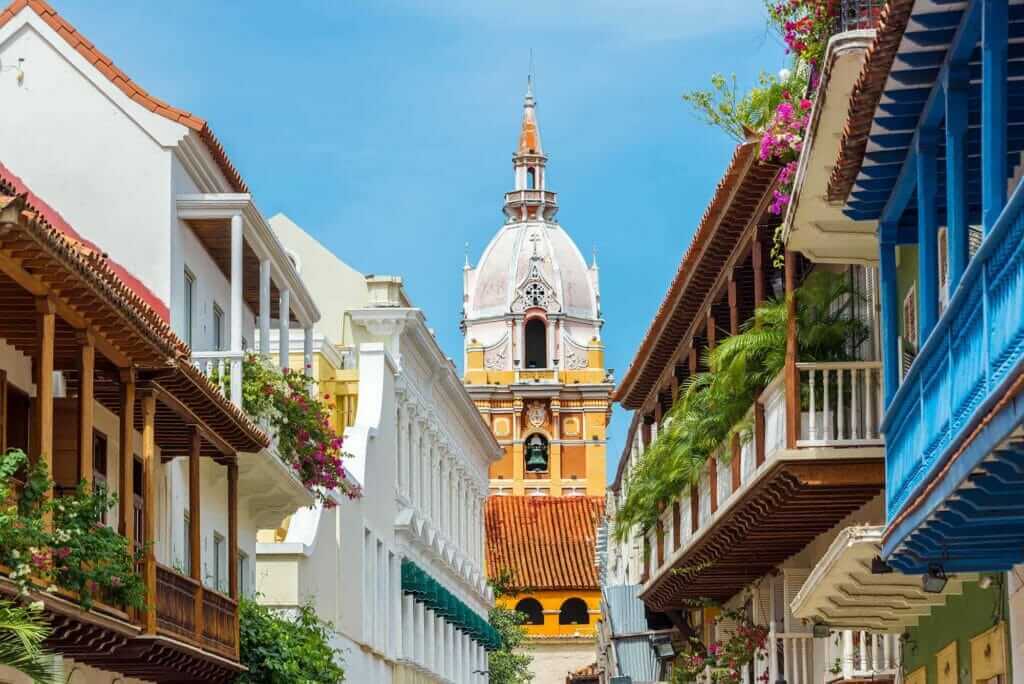
Cartagena de Indias. Noroeste de Colombia:
Magical city built on the shores of the Caribbean, surrounded by imposing walls and fortifications that once protected it from attacks by pirates and corsairs. Declared today a World Heritage Site by UNESCO, it marvels at the preservation of its colonial identity, with cobbled streets where time seems not to have passed, among squares one more beautiful than another and colorful architectureWonderful beaches in the tourist resort of Bocagrande or between the natural coral sanctuaries of the Rosario and San Bernardo islands end up enriching the attractions of what is, without a doubt, one of the most famous tourist places in Colombia. Santa Marta. Northwest of Colombia:
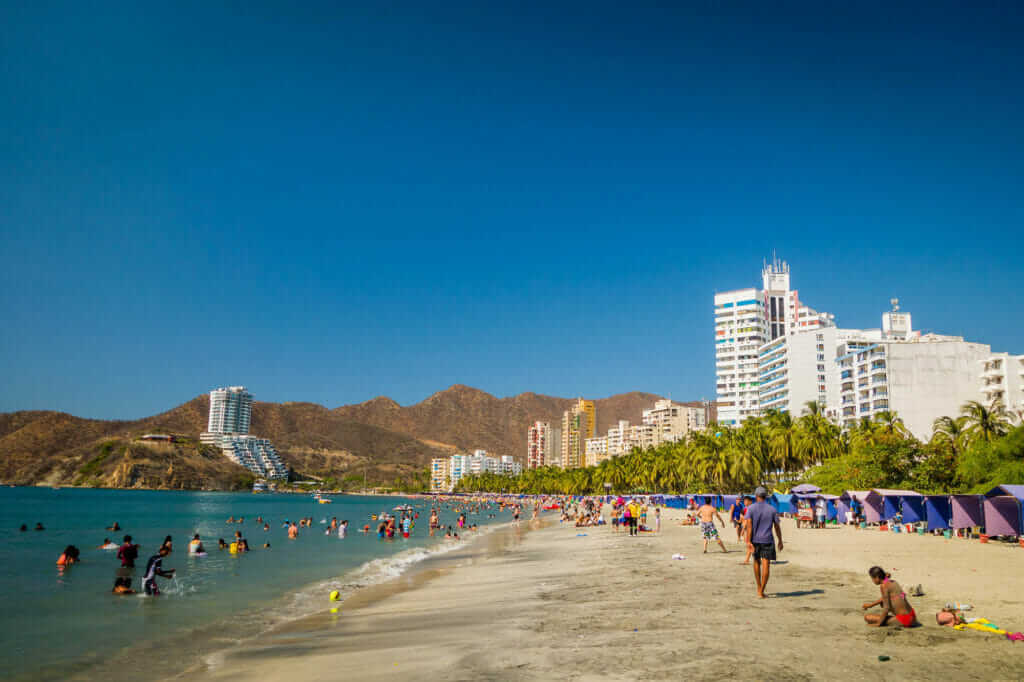
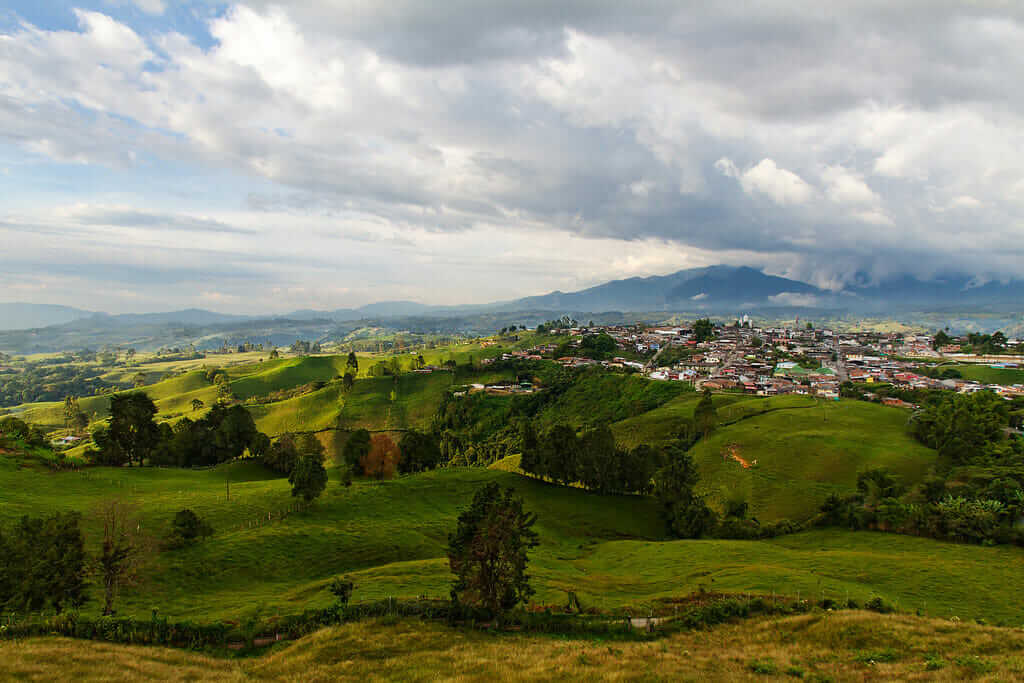
Between the beautiful landscapes of the Sierra Nevada and the Caribbean Sea, is located what is considered the oldest city in Colombia and the second in South America, an enclave of history, which still preserves much of its colonial architecture. Ecotourism between national parks and wonderful beaches, are the greatest tourist attraction that Santa Marta offers, highlighting the mega-diverse Tayrona National Park, home to mangrove forests, seagrass beds, coral reefs and some of the most beautiful beaches in the country Eje Cafetero: Caldas, Quindío y Risaralda. Centro oeste de Colombia: Wonderful region of coffee plantations located between the departments of Caldas, Risaralda and Quindío, characterized by its mountainous landscapes, snow-capped peaks, green hills and agricultural valleys, among which magical colonial towns and country estates that live around rural tourism and production coffee maker.Salento is the most touristic city in the area, conserving part of its old colonial houses built with the traditional bahareque technique. Salento is also the gateway to the spectacular landscapes of Valle de Cocora, a famous nature reserve that is home to the tallest palm trees in the world.
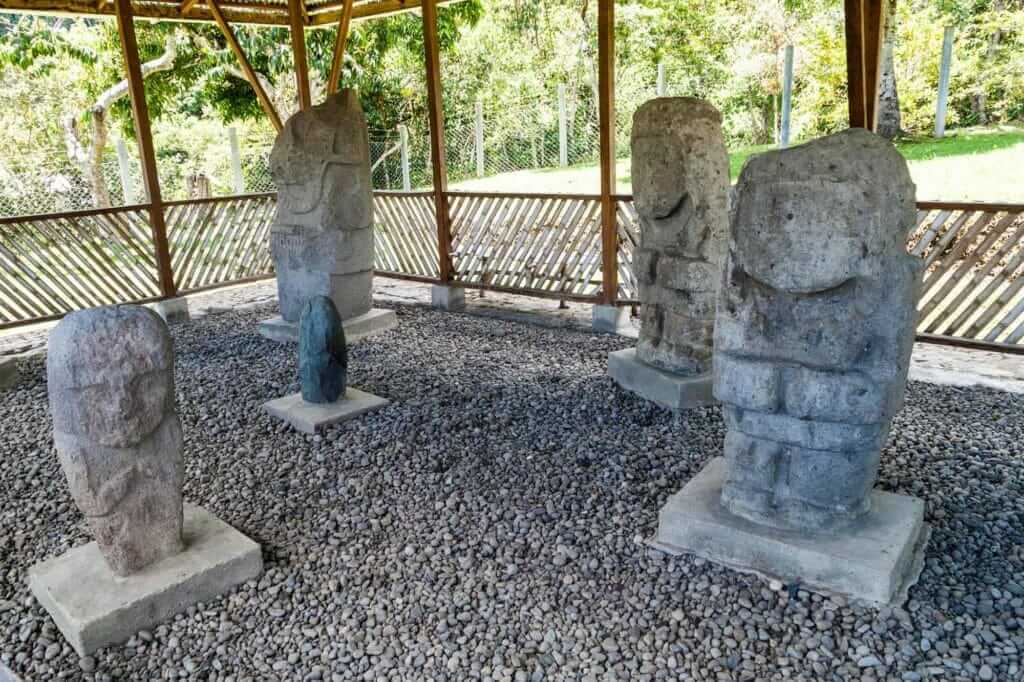
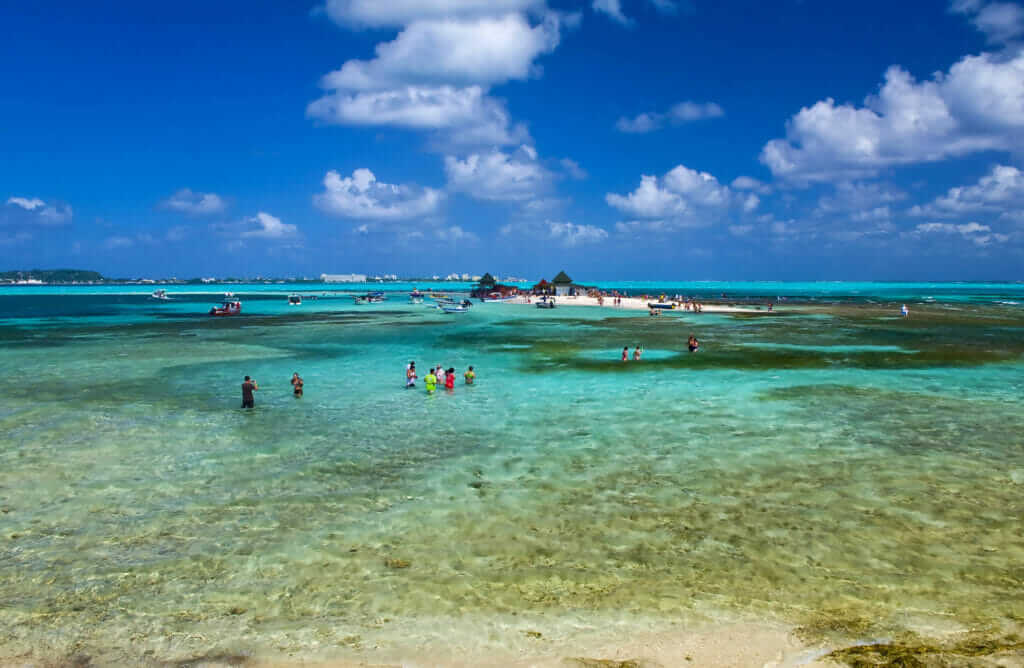
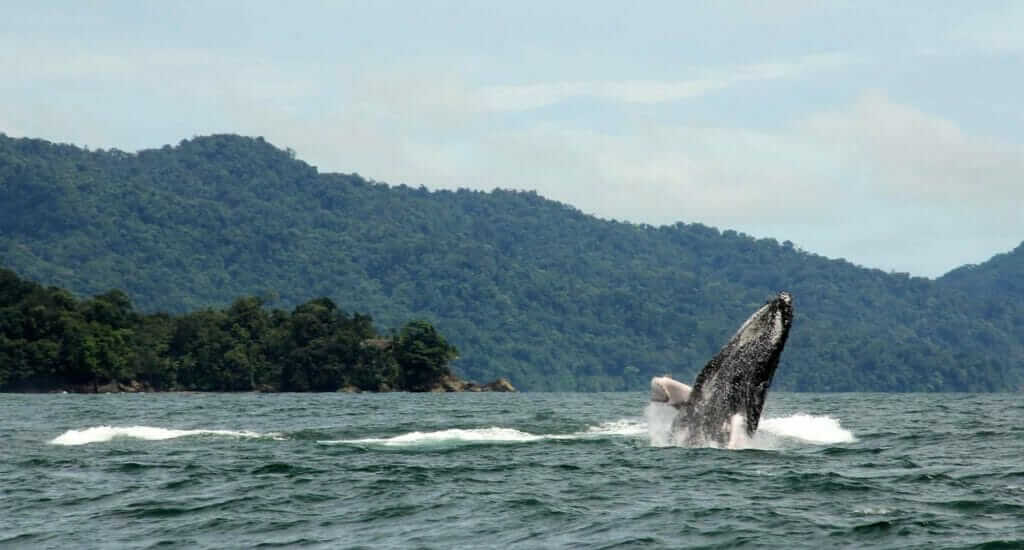
Popayán and Tierradentro National Archaeological Park. Central west of Colombia: Known as "White City", Popayán is the capital of the department of Cauca and another of Colombia's must-see tourist places for history lovers, a city with beautiful colonial architecture, especially famous for the processional parades that take place in Week Santa, a traditional celebration that has been declared an intangible heritage of humanity by UNESCO. One of the must-see tours from Popayán is a visit to the National Archaeological Park of Tierradentro, an archaeological jewel, home to enormous stone sculptures and an extraordinary concentration of pre-Hispanic underground tombs built between 600 and 900 AD, with monumental enclaves such as the high del Aguacate, San Andrés, Segovia, El Duende and El Tablón. Archipelago of San Andrés, Providencia and Santa Catalina. Insular Northwest ofColombia: An archipelago located in the Caribbean, in an area of captivating beauty declared a Biosphere Reserve by UNESCO, where mangrove forests, palm trees, coral reefs, seagrass meadows and heavenly beaches coexist, considered among the most beautiful in America.San Andrés, is its capital and largest island, concentrating the largest offer of hotels and entertainment in the archipelago, as well as famous enclaves for diving, snorkeling and water sports. Those looking for a quieter alternative, with more exuberant and less intervened scenarios, can opt for the island of Providencia or the smaller island of Santa Catalina, both accessible after three hours of navigation from San Andrés. More information in: Travel guide to San Andrés. Gorgon Island. Insular southwest of Colombia: Accessible by sailing from the municipality of Guapi, is the Gorgona Island, a nature sanctuary declared a World Heritage Site by UNESCO, considered one of the tourist places in Colombia where the diversity of flora and fauna is more abundant. The landscapes offered by the island include humid forests, white sand beaches and spectacular coral reefs, the latter considered to have the greatest biodiversity in the Eastern Tropical Pacific. In addition to natural beauties, Gorgona Island is a privileged destination for bird watching and large marine animals, such as the famous humpback whales, which come to the coast from July to November to give birth. Leticia: Gateway toextraordinary beauty of the Amazon rainforest, a multicultural city that technically forms one with the Brazilian municipality of Tabatinga, home to numerous indigenous communities that handle most of the tourist services.
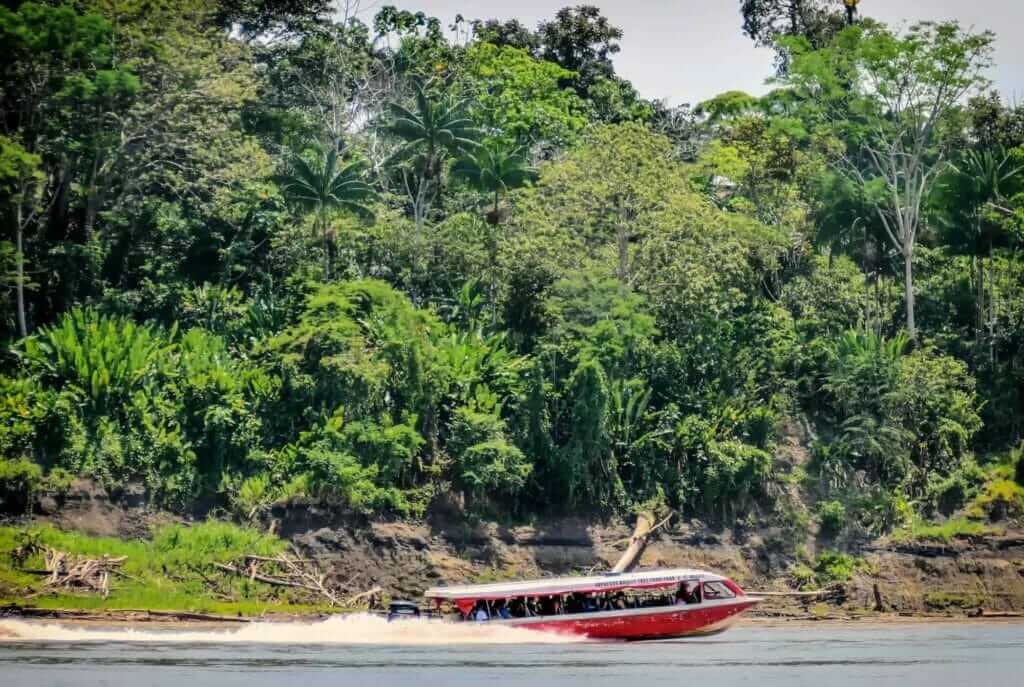
From the city it is possible to embark on the Amazon River, entering the dense tropical jungle, a fascinating journey that crosses the most mega-diverse area in the world. Fascinating stops on this tour are the Amacayacu National Natural Park, with its giant aquatic plants, and Lake Tarapoto, home to the unique pink freshwater dolphins.



Comentarios
Publicar un comentario